Engaging Activities & Enrichment in California Senior Care
Explore the benefits of diverse activities and enrichment programs in California senior care homes. Discover how these programs enhance well-being and quality of life for residents.
When considering a residential care home for your loved one, the quality of care is paramount. Beyond medical support and daily living assistance, a crucial aspect often overlooked by families is the range of activities and enrichment programs offered. These programs are not just about entertainment; they are vital for maintaining physical health, cognitive function, emotional well-being, and a vibrant quality of life for seniors.
More Than Just Bingo: The Benefits of Robust Activity Programs
Gone are the days when "senior activities" conjured images of endless bingo games (though bingo certainly still has its place!). Today's leading residential care homes understand the profound impact of well-designed, diverse activity programs. These programs are tailored to engage residents on multiple levels, fostering a sense of purpose, connection, and joy. The benefits extend far beyond simply keeping busy; they are fundamental to holistic senior care.
Physical Health and Mobility
Regular physical activity helps seniors maintain strength, balance, flexibility, and cardiovascular health. It can reduce the risk of falls, improve circulation, and even boost mood. Care homes offer a spectrum of options to suit varying mobility levels.
- Gentle Exercise Classes: Chair yoga, seated aerobics, tai chi, and stretching are excellent for improving flexibility and balance without high impact.
- Walking Clubs: For those who are more mobile, supervised walks around the community grounds or nearby parks can be a refreshing way to stay active.
- Dancing: From ballroom to line dancing, movement to music is a fantastic way to engage both body and mind.
Cognitive Stimulation and Brain Health
Keeping the mind active is just as important as keeping the body active. Engaging in mentally stimulating activities can help slow cognitive decline, improve memory, and maintain problem-solving skills, contributing significantly to a higher quality of life for those with or without cognitive impairments.
- Memory Games and Puzzles: Crosswords, jigsaw puzzles, Sudoku, and trivia nights are popular ways to challenge the brain.
- Book Clubs and Discussion Groups: Encouraging reading and engaging in thoughtful conversations keeps minds sharp and fosters social interaction.
- Learning Opportunities: Some communities offer lectures, documentaries, or even technology classes to keep residents learning new things.
Types of Activities You Should Look For
A truly enriching environment offers a wide variety of activities that cater to diverse interests, abilities, and cultural backgrounds. When researching care homes, inquire specifically about their activity calendar and philosophy.
Creative and Expressive Arts
Creative outlets provide a wonderful way for seniors to express themselves, reduce stress, and tap into hidden talents. Art and music therapy, in particular, have proven benefits for emotional well-being and cognitive function.
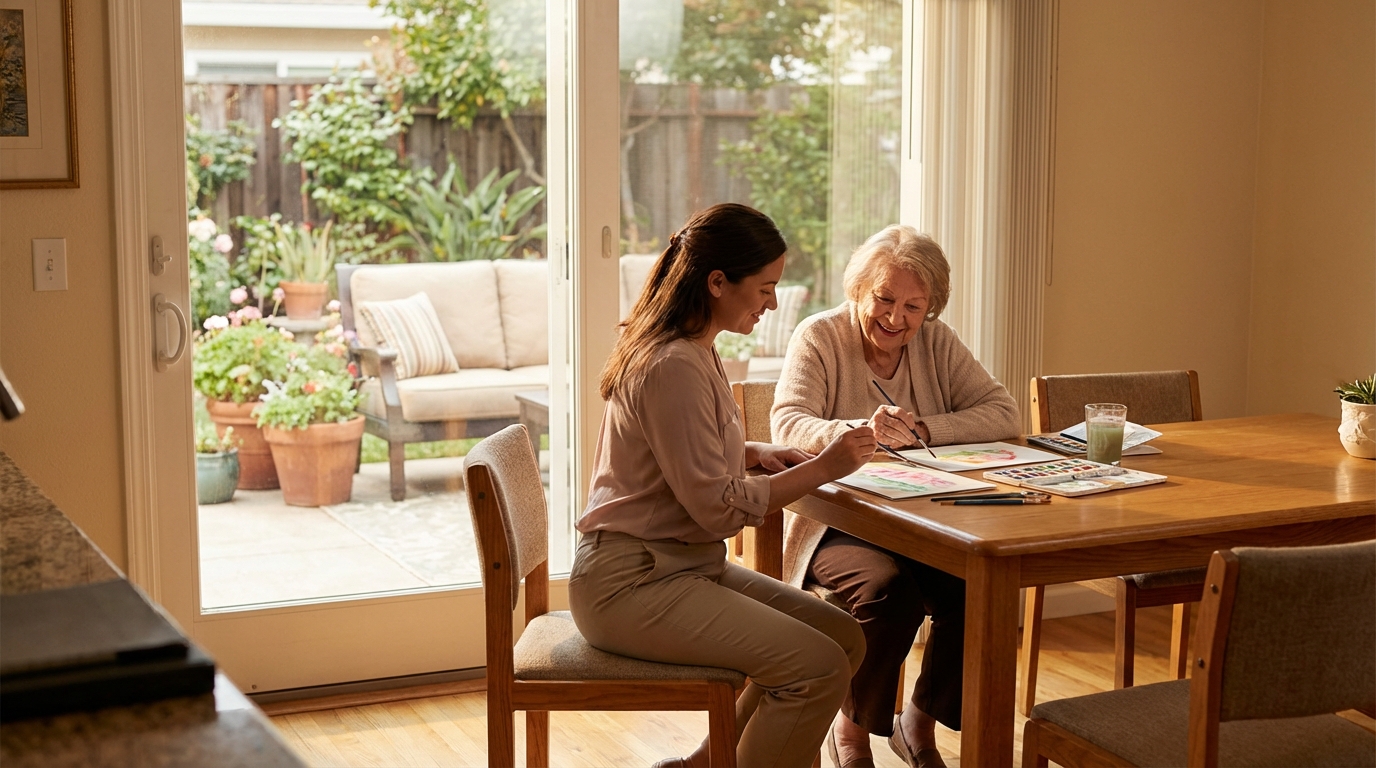
- Art Classes: Painting, drawing, pottery, knitting, and other crafts offer therapeutic benefits and a sense of accomplishment.
- Music Programs: Group singing, listening to live music performances, playing instruments, or music appreciation sessions can evoke powerful memories and emotions.
- Creative Writing: Poetry workshops or journaling groups can be a fulfilling way to share stories and connect with others.
Social and Community Engagement
Combating loneliness and fostering a sense of community is crucial for senior well-being. Activities that encourage social interaction help residents build friendships and feel connected.
- Group Outings: Trips to local museums, parks, shopping centers, or restaurants allow residents to enjoy their community.
- Themed Parties and Celebrations: Holidays, birthdays, and special events provide opportunities for festive gatherings and fun.
- Intergenerational Programs: Activities that bring seniors together with children or young adults can be incredibly rewarding, bridging generational gaps and boosting spirits.
Personalized Approaches and Resident-Centric Care
The best care homes don't just offer a generic calendar; they strive to understand each resident's unique preferences, past hobbies, and current abilities. An individualized approach ensures that activities are meaningful and engaging for everyone.
Tip for Families: When touring a care home, ask to see their monthly activity calendar. Look not just at the quantity of activities, but also the variety and how they cater to different interests and levels of ability. Don't hesitate to ask how they incorporate resident feedback into their programming.
Assessment and Tailoring Activities
Upon admission, reputable care homes conduct assessments to understand a resident's physical capabilities, cognitive status, interests, and life history. This information is then used to suggest suitable activities and involve residents in planning.
- Ask about current hobbies and interests.
- Understand their physical and cognitive abilities.
- Inquire about their social preferences (group vs. individual activities).
- Consider their cultural and spiritual background.
Encouraging Participation and Choice
While gentle encouragement is often needed, the goal is always to empower residents to make choices about how they spend their time. Forced participation can be counterproductive. Skilled activity coordinators are adept at making activities inviting and flexible.
- Resident Councils: Allowing residents to voice opinions and make suggestions for activities.
- Flexible Scheduling: Offering a balance of structured and unstructured time.
- One-on-One Engagement: For residents who prefer quieter activities or have specific needs, staff can provide personalized interaction, such as reading aloud, assisting with a craft, or simply engaging in conversation.
The Role of Staff in Activity Engagement
The success of any activity program hinges on the dedication, creativity, and compassion of the staff. Activity coordinators are not just organizers; they are facilitators of joy, connection, and purpose.
- Trained Professionals: Look for communities with certified activity directors or staff specifically trained in therapeutic recreation.
- Enthusiasm and Patience: Engaging seniors, especially those with cognitive impairments, requires genuine enthusiasm, endless patience, and adaptability.
- Continuity of Care: When caregivers and activity staff work collaboratively, they can ensure a seamless experience for residents, integrating daily care with meaningful engagement.
Seamless Transition from Home Life to Community Engagement
For many seniors, moving to a care home can be a significant adjustment. A well-rounded activity program can play a crucial role in helping them feel at home, establish new routines, and build new friendships. It helps bridge the gap from a solitary existence to a vibrant community.
- Welcome Programs: Some communities have buddy systems or welcome committees to help new residents integrate socially.
- Family Involvement: Encourage families to visit during activity times or suggest activities their loved one previously enjoyed.
- Maintaining Hobbies: If your loved one had a particular hobby, inquire if the community can support its continuation – whether it's gardening, playing an instrument, or painting.
Making an Informed Decision for Your Loved One
When you're searching for a residential care home, remember that a rich and varied activity program is a strong indicator of a community's commitment to holistic well-being. Don't underestimate its importance. Ask thoughtful questions, observe interactions during your tours, and envision your loved one thriving in the environment.
CareHomeSearch is here to help you navigate these important decisions. Explore our directory of California care homes and use our detailed search filters to find communities that prioritize engaging activities and offer a high quality of life. Contact homes directly to inquire about their specific activity calendars and how they cater to individual needs. Your loved one deserves a vibrant, fulfilling next chapter.
Published by CareHomeSearch Team on January 22, 2026