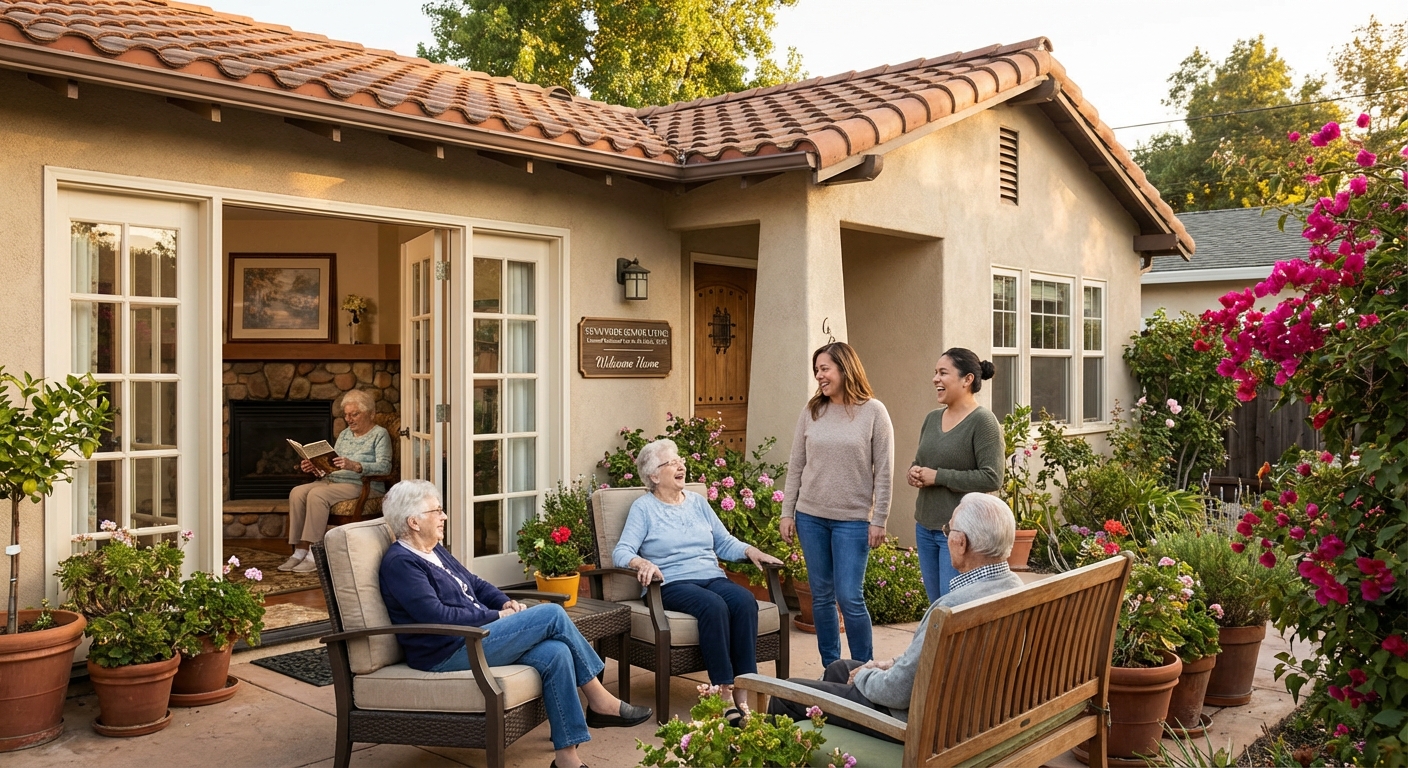
California Care Home Licensing & Regulations: A Comprehensive Guide
Navigate the complexities of California's care home licensing and regulations with our comprehensive guide, ensuring compliance and quality care.
Navigating the world of senior care can feel overwhelming, especially when it comes to understanding the legalities and ensuring your loved one receives the best possible support. As you explore care options for an aging family member in California, one of the most critical aspects to consider is the licensing and regulation of residential care homes. This isn't just about paperwork; it's about guaranteeing safety, quality of care, and peace of mind. Let's delve into what you need to know about how California oversees its residential care facilities for the elderly (RCFEs), often simply called care homes.
The Guardians of Care: California's Department of Social Services
In California, the primary authority responsible for licensing and overseeing residential care facilities for the elderly (RCFEs) is the California Department of Social Services (CDSS), specifically its Community Care Licensing Division (CCLD). This agency plays a vital role in protecting the health, safety, and well-being of seniors living in these facilities. They establish rigorous standards that facilities must meet and maintain, conducting regular inspections and investigations to ensure compliance.
What does CCLD licensing entail?
- Application and Background Checks: Before a facility can even open its doors, applicants undergo extensive background checks, including criminal record clearances for all owners, administrators, and staff. Facilities must also submit detailed operational plans, demonstrating their capacity to meet regulatory requirements.
- Facility Requirements: This covers everything from the physical environment (layout, accessibility, safety features like fire alarms and sprinkler systems) to staffing levels, medication management protocols, nutrition guidelines, and activity programs.
- Ongoing Monitoring: CCLD conducts unannounced inspections to ensure facilities are continually meeting these standards. These inspections assess everything from resident rights to staff training, sanitation, and adherence to care plans.
- Complaint Investigations: When concerns or complaints arise, CCLD has the authority to investigate allegations of abuse, neglect, or regulatory violations. They take these complaints seriously and have the power to impose sanctions, fines, or even revoke licenses if serious issues are found.
Understanding that CDSS/CCLD is the watchful eye over these facilities can provide a significant layer of reassurance as you research potential homes for your loved one.
Key Regulations and What They Mean for Your Loved One
California's RCFE regulations are comprehensive and designed to cover nearly every aspect of a resident's life within a care home. Familiarizing yourself with some of the key areas can empower you to ask the right questions and evaluate facilities more effectively.
- Resident Rights (Title 22, Division 6, Chapter 8, Article 4): This is a cornerstone of quality care. Residents have rights to dignity, respect, privacy, participation in their care planning, freedom from abuse and neglect, and the ability to communicate with family and friends. A good facility will not just post these rights; they will embody them in their daily interactions.
- Staffing Requirements (Title 22, Division 6, Chapter 8, Article 6): Regulations dictate minimum staffing ratios based on the facility's size and the level of care provided. Staff must also receive specific training in areas like first aid, CPR, dementia care, and recognizing signs of abuse. Adequate and well-trained staff are crucial for responsive and personalized care.
- Medication Management (Title 22, Division 6, Chapter 8, Article 7): This section outlines strict rules for medication storage, administration, and documentation. Ensuring proper medication management is vital for your loved one's health and safety, especially if they have complex medical needs.
- Admission and Assessment (Title 22, Division 6, Chapter 8, Article 3): Before admission, facilities must assess a prospective resident's needs to ensure they can provide the appropriate level of care. This assessment is used to develop an individualized care plan, which should be reviewed regularly and updated as needs change.
- Food Service (Title 22, Division 6, Chapter 8, Article 9): Regulations ensure that facilities provide nutritious, well-balanced meals, cater to dietary restrictions, and maintain proper food handling and sanitation.
- Reporting Requirements (Title 22, Division 6, Chapter 8, Article 5): Facilities are mandated to report serious incidents, such as falls, injuries, or changes in a resident's condition, to regulatory bodies and designated family members.
When touring facilities, don't hesitate to ask about their policies and procedures related to these specific areas. A reputable care home will be transparent and happy to discuss how they meet or exceed these standards.
Practical Tips for Families: Checking Licenses and Beyond
Understanding the regulations is one thing; putting that knowledge into practice is another. Here are some actionable tips to help you in your search:
- Verify the License: ALWAYS verify a facility's license. You can do this through the CDSS Community Care Licensing Division's online facility search tool. This tool allows you to search by facility name, license number, or address. It will show the facility's current license status, capacity, and any enforcement actions or substantiated complaints.
- Review Public Records: Don't just look at the current license. The CDSS database also allows you to view inspection reports, citations, and any Plans of Correction (POCs) that facilities have submitted. Look for patterns of non-compliance, especially concerning resident health and safety. While every facility might have minor infractions, a long history of serious violations is a red flag.
- Ask Targeted Questions: Equipped with knowledge of regulations, ask specific questions during tours:
- "What is your typical staff-to-resident ratio during the day and night?"
- "How do you manage medications, especially for residents with complex prescriptions?"
- "Can I see your most recent inspection report?" (They should be able to provide this, though you can also find it online.)
- "How do you handle changes in a resident's care needs, especially as they decline?"
- "What training do your staff receive, particularly regarding dementia care?"
- Observe During Visits: Pay attention to the environment during your visits. Do residents seem happy and engaged? Is the facility clean and well-maintained? Do staff interact respectfully and patiently with residents? Trust your gut feeling.
- Understand the Scope of Care: RCFEs are designed for individuals who need assistance with activities of daily living (ADLs) but do not require 24-hour skilled nursing care. If your loved one needs extensive medical interventions (e.g., IV therapy, complex wound care), they may need a skilled nursing facility (SNF) which is regulated by a different agency (California Department of Public Health). Ensure the facility you choose can genuinely meet your loved one's needs, both now and in the foreseeable future.
- Beware of Unlicensed Facilities: It is illegal for a facility to operate without a proper license. If you encounter a home claiming to provide care that does not appear in the CDSS database, report it immediately to CCLD. Unlicensed facilities pose significant risks to resident safety.
Continuing Vigilance: Your Role After Placement
Your involvement doesn't end once your loved one moves into a care home. Ongoing vigilance is an important part of ensuring continued quality of care. Stay connected, visit frequently (at different times of day if possible), and maintain open communication with the facility's staff and administration. If you have concerns, address them directly with the facility first. If issues persist or if you suspect neglect or abuse, report your concerns to the CDSS Community Care Licensing Division. They are there to protect your loved one and other residents.
Conclusion
Choosing a care home for your loved one is one of the most significant decisions you'll make. By understanding the licensing and regulatory framework in California, you arm yourself with the knowledge to make an informed choice and advocate effectively for your family member. It may seem like a lot of information, but remember, every regulation is in place to safeguard the well-being and dignity of seniors. At CareHomeSearch, we are here to provide you with the resources and support you need to navigate this journey with confidence and peace of mind, ensuring your loved one receives the compassionate, high-quality care they deserve.
Published by CareHomeSearch Team on January 11, 2026