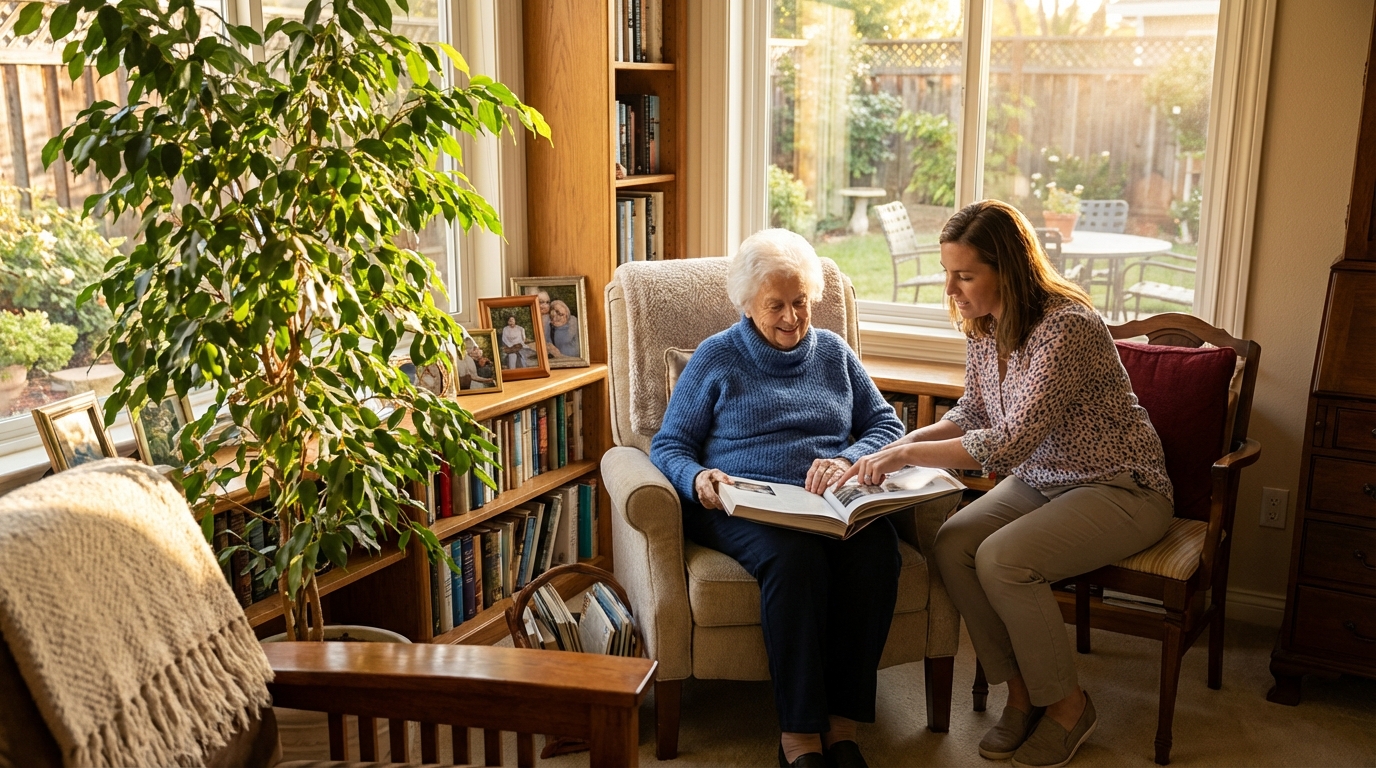
Choosing a Care Home: A Guide for Your Loved One
Navigate the process of selecting the perfect residential care home in California for your loved one with our comprehensive guide.
Caring for an aging parent or loved one is a journey filled with love, tough decisions, and often, an overwhelming amount of information. When the time comes to consider a residential care home, it's natural to feel a mix of emotions – from concern for their well-being to a desire to find the absolute best environment for them. This guide from CareHomeSearch is designed to walk you through the essential steps, helping you navigate this significant decision with confidence and compassion.
Understanding Your Loved One's Needs
Before you even begin looking at facilities, the most crucial first step is to thoroughly understand your loved one's current and anticipated needs. This includes their medical, physical, cognitive, and social requirements.
Assessing Medical and Physical Needs
- Level of Care: Do they need assistance with activities of daily living (ADLs) such as bathing, dressing, eating, or medication management?
- Medical Conditions: Are there chronic illnesses (e.g., diabetes, heart disease, Parkinson's) that require regular monitoring or specialized care?
- Mobility: Are they ambulatory, do they use a walker or wheelchair, or are they bed-bound? This impacts facility accessibility and staffing.
- Therapy Needs: Will they require ongoing physical, occupational, or speech therapy?
Evaluating Cognitive and Social Needs
- Cognitive Function: Is there any memory impairment, dementia, or Alzheimer's? If so, a facility specializing in memory care will be essential.
- Social Engagement: Is your loved one naturally outgoing or more introverted? What activities do they enjoy? Look for homes that foster a sense of community and offer engaging programs.
- Personal Preferences: Do they have specific dietary needs, cultural preferences, or hobbies that should be considered?
Important Tip: Involve your loved one in the decision-making process as much as possible. Their input, even if limited, is invaluable in finding a place where they will feel comfortable and respected. If they are unable to participate, advocate fiercely on their behalf, honoring their known wishes and personality.
Researching and Shortlisting Residential Care Homes
Once you have a clear picture of your loved one's needs, you can begin the research phase. California offers a diverse range of residential care options, and CareHomeSearch is here to help you narrow down the best fits.
Online Resources and Directories
Begin your search leveraging online directories like CareHomeSearch.com. These platforms allow you to filter by location, services offered, size of facility, and specializations (e.g., memory care). Pay attention to:
- Location: Consider proximity to family members, familiar neighborhoods, and essential services like their current doctors.
- Licensing and Regulations: Ensure all facilities are properly licensed by the State of California's Department of Social Services (Community Care Licensing Division). Look up their licensing history for any past violations.
- Services Offered: Double-check that their listed services align with your loved one's assessed needs.
- Size and Atmosphere: Residential care homes can range from small, intimate settings (6 residents or fewer) to larger communities. Consider which environment would best suit your loved one's personality.
Gathering Recommendations and Referrals
Don't underestimate the power of personal recommendations:
- Speak with friends, family members, and colleagues who have gone through a similar process.
- Consult with healthcare professionals such as your loved one's doctor, social worker, or hospital discharge planner. They often have valuable insights and experience with local facilities.
- Reach out to local senior advocacy groups or Area Agencies on Aging for unbiased advice.
Visiting Prospective Homes and Asking Key Questions
Once you have a shortlist, the crucial next step is to visit each facility. A virtual tour can be a good starting point, but an in-person visit is essential to truly gauge the atmosphere, cleanliness, and staff-resident interactions. Try to visit during different times of the day, if possible.
What to Observe During Your Visit
- Overall Atmosphere: Does it feel welcoming, clean, and well-maintained? Observe the residents – do they appear engaged, happy, and well-cared for?
- Staff Interaction: How do staff members interact with residents? Are they patient, kind, and respectful? Do they seem adequately staffed?
- Resident Engagement: Are there activities happening? Do residents have opportunities to socialize or pursue personal interests?
- Cleanliness and Safety: Check for cleanliness, good lighting, clear pathways, and appropriate safety measures (e.g., call bells, grab bars).
- Food Service: Ask about meal times, menus, and dietary accommodations. If possible, sample a meal.
- Outdoor Space: Is there safe and accessible outdoor space for residents to enjoy?
Essential Questions to Ask
- What is your staff-to-resident ratio, especially during nights and weekends?
- What training do your staff members receive, particularly regarding dementia care or specific medical conditions?
- How do you handle medical emergencies? Is a nurse on staff or on call?
- What activities and programs are offered daily? Is there a varied schedule?
- How do you manage changes in a resident's condition? What happens if their needs increase?
- What is included in the monthly fee, and what are the additional costs? Are there any hidden fees?
- What is your policy regarding family visits and communication?
- Can you provide references from current residents' families?
Financial Considerations and Contracts
Understanding the financial aspects is a critical part of choosing a residential care home. Costs can vary significantly based on location, level of care, and included amenities.
Decoding Costs and Fees
- Base Monthly Fee: What does this cover? Typically, it includes room, board, and basic care.
- Tiered Care Levels: Many facilities offer different care levels with corresponding fees. Be clear about what level your loved one qualifies for and how needs are reassessed.
- Additional Services: Ask about extra charges for medication management, incontinence care, transportation, specialized therapies, beautician services, or even personalized activities.
- Entrance Fees/Community Fees: Some facilities charge a one-time fee upon admission.
- Long-Term Care Insurance: If your loved one has long-term care insurance, understand what the policy covers and the facility's process for accepting it.
- Veterans Benefits: Veterans or their surviving spouses may be eligible for Aid and Attendance benefits.
Reviewing the Contract Carefully
Before signing any agreement, have an elder law attorney review the contract. Pay close attention to:
- Notice Period for Rate Increases: How much notice will you receive for any fee changes?
- Termination Clause: Under what circumstances can the contract be terminated by either party? What is the refund policy?
- Rights and Responsibilities: Clearly understand the rights of your loved one as a resident and the responsibilities of the facility.
- Dispute Resolution: How are disagreements resolved?
Making the Final Decision and Transitioning
After thorough research and visits, you'll be ready to make a decision. Trust your gut feeling, but also base your choice on the objective information you've gathered.
Trusting Your Instincts
While facts and figures are important, the emotional comfort and warmth of a home play a huge role. Choose a place where you feel your loved one will be genuinely cared for and treated with dignity.
Facilitating a Smooth Transition
- Personalize the Space: Help your loved one decorate their room with familiar items, photos, and beloved belongings to make it feel more like home.
- Stay Involved: Continue to visit frequently, participate in care conferences, and communicate regularly with staff. Your ongoing presence is crucial for their well-being and ensures quality care.
- Allow Time for Adjustment: The transition can be challenging. Be patient, supportive, and understanding during the adjustment period, which can take weeks or even months.
Choosing a residential care home is a deeply personal and significant decision. By following these steps and leveraging resources like CareHomeSearch, you can feel confident that you are making an informed choice that will provide your loved one with the comfort, care, and quality of life they deserve. Remember, you are not alone in this journey, and there are many resources available to support you and your family.
Published by CareHomeSearch Team on March 3, 2026