Nurturing Bonds: Staying Connected with Loved Ones in Care Homes
Discover practical tips and heartfelt advice for maintaining a strong, loving relationship with family members residing in care homes.
Adjusting to a loved one moving into a residential care home is a significant transition for the entire family. While you may have peace of mind knowing they are receiving professional care, it’s natural to worry about how to maintain the strong bond you share. This guide offers compassionate advice and practical strategies to help you nurture your relationship, ensuring your loved one continues to feel connected, cherished, and loved.
Understanding the Transition: Their Perspective and Yours
Moving into a care home often involves a mix of emotions for your loved one, including relief, sadness, anxiety, or even a sense of loss of independence. Understanding these feelings is the first step toward maintaining a strong connection. Similarly, you might be experiencing guilt, sadness, or a sense of relief – all valid feelings that impact how you engage.
Recognizing Their Needs and Feelings
Your loved one’s emotional state can fluctuate as they adapt. They might miss their old home, friends, or routines. Some may express anger or withdrawal, while others embrace the change with optimism. It's crucial to acknowledge and validate their feelings without judgment. Listen actively and empathetically to what they are experiencing.
Managing Your Own Expectations and Emotions
It’s okay if your visits feel different than they used to. The dynamics of your relationship might shift, but its core can remain strong. Give yourself grace and permission to feel your own emotions. Remember that providing care at home was demanding, and now you have the opportunity to focus on quality time rather than caregiving tasks.
Strategies for Regular and Meaningful Connection
Consistency is key when it comes to maintaining relationships. While in-person visits are invaluable, there are many ways to foster connection, especially if geographical distance or other commitments occasionally limit your physical presence.
Making the Most of In-Person Visits
When you visit, try to create an atmosphere of warmth and familiarity. Plan activities that your loved one enjoys and that encourage interaction.
- Focus on quality over quantity: Even short, focused visits can be highly meaningful.
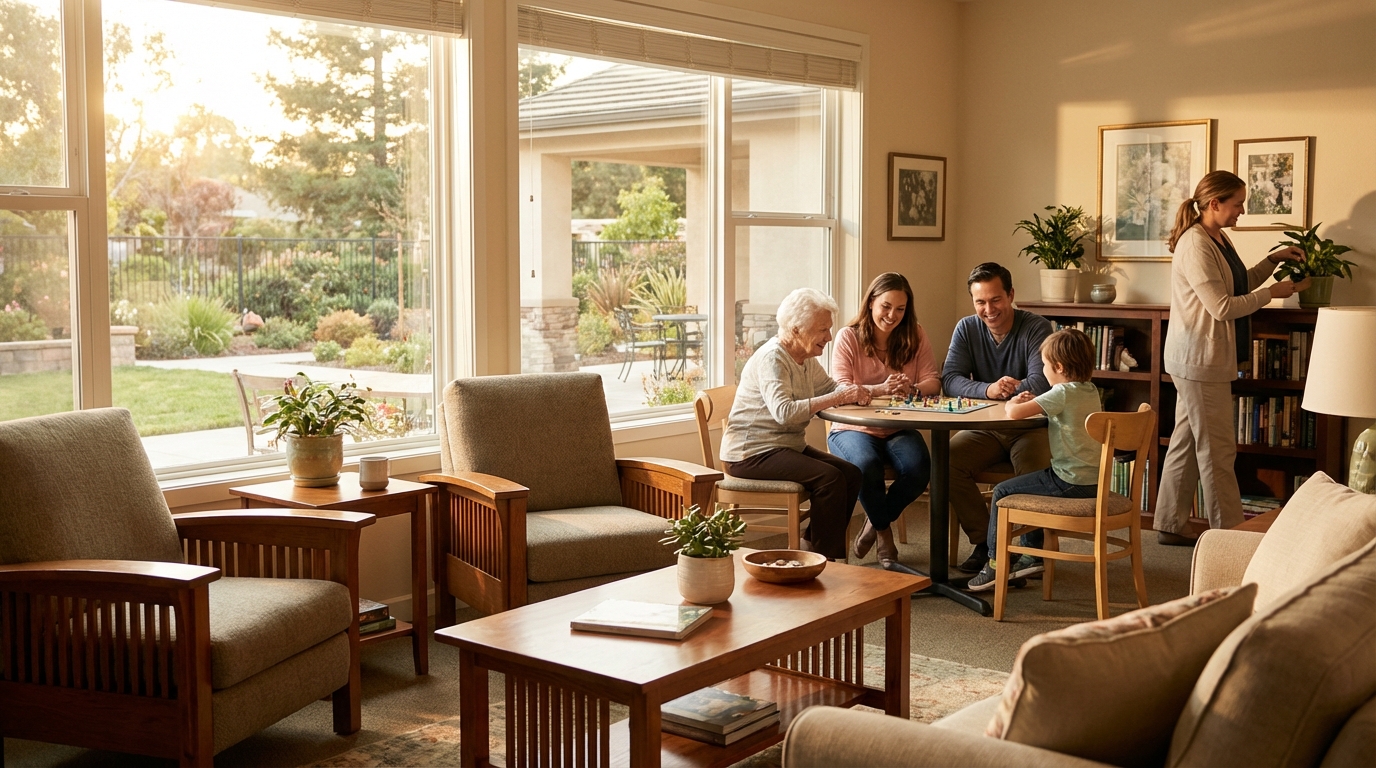
- Engage in shared activities: Read a book together, listen to music, look through old photo albums, or play a simple board game.
- Bring a touch of home: Decorate their room with familiar items like photos, a favorite blanket, or some cherished trinkets (with facility approval).
- Dine together: If allowed, share a meal during your visit, making it a social and enjoyable experience.
- Help with personal grooming: Offer to brush their hair, paint their nails, or assist with another small personal task, creating a sense of intimacy and care.
Creative Ways to Connect Remotely
Technology has opened up many avenues for staying connected, even across distances.
- Video calls: Platforms like FaceTime, Zoom, or Google Meet can help bridge the gap, allowing your loved one to see your face and hear your voice.
- Regular phone calls: A simple, consistent phone call can brighten their day and reassure them they are remembered.
- Personalized letters and cards: A handwritten note or card can be a tangible reminder of your love and effort. Include updates about your life or share fond memories.
- Send care packages: Small gifts like their favorite snacks, a new book, or a puzzle can be a delightful surprise.
- Collaborate with staff: Ask care home staff to assist with setting up calls or reading your letters if your loved one needs help.
Important Tip: Communicate openly with the care home staff. They are your allies in maintaining your loved one's well-being and connection. Share your loved one's preferences, routines, and any changes you observe, and ask for their support in facilitating communication and visits.
Advocacy and Involvement in Their Care
Being involved in your loved one's care isn't just about ensuring their needs are met; it's also a powerful way to demonstrate your love and commitment, reinforcing your bond.
Attending Care Plan Meetings
Regularly participating in care plan meetings allows you to stay informed about your loved one's health, discuss their progress, and advocate for their needs. This shows your loved one (if they are present and able to understand) that you are actively involved in their well-being.
Key aspects of involvement:
- Ask questions: Don't hesitate to seek clarification on medications, therapies, or daily routines.
- Provide input: Share insights about your loved one’s personality, preferences, and what makes them comfortable or happy.
- Review documentation: Familiarize yourself with their care plan and ensure it aligns with their needs and wishes.
- Express concerns: Voice any worries or observations you have to the care team promptly.
Becoming a Familiar Face
Beyond scheduled visits, simply being present at the facility can make a difference. Even if you're not directly interacting with your loved one every moment, staff and other residents will recognize you, reinforcing your connection to the community and your loved one's place within it.
- Participate in facility events: If the care home hosts parties, musical performances, or other social gatherings, attend them with your loved one.
- Volunteer if appropriate: Some family members find fulfillment in volunteering for activities that benefit all residents, not just their own loved one.
- Build rapport with staff: A good relationship with the caregivers ensures they feel comfortable reaching out to you and provides you with a direct line of communication.
Navigating Challenges and Adapting Over Time
Relationships evolve, and so do the needs of your loved one in a care home. Be prepared to adapt your approach as circumstances change.
When Communication Becomes Difficult
If your loved one is experiencing cognitive decline, communication might become challenging. This doesn't mean the connection is lost; it simply requires a different approach.
- Focus on non-verbal cues: A gentle touch, a warm smile, or simply sitting quietly together can convey love and presence.
- Use sensory stimulation: Play their favorite music, offer a familiar scent, or introduce tactile objects that bring comfort.
- Keep it simple: Use short sentences, speak clearly, and avoid overwhelming them with too much information.
- Recall positive memories: Share brief, happy anecdotes from their past, even if they don't seem to respond verbally. The emotional connection can still resonate.
Addressing Guilt and Role Changes
It's common to feel guilt or a sense of loss when a loved one moves into a care home, especially if you were their primary caregiver. Recognize that you’ve made a loving decision to ensure their safety and well-being. Your role may shift from primary caregiver to advocate, companion, and loving family member – a vital and beautiful role.
Allow yourself to grieve any aspects of the past relationship while embracing the new form it takes. Your presence and love are still incredibly powerful and essential to your loved one's emotional health.
Actionable Next Steps for Stronger Connections
Maintaining a rich and fulfilling relationship with your loved one in a care home is an ongoing journey that requires commitment and flexibility. By implementing these strategies, you can continue to be a cornerstone of their comfort and happiness.
- Create a Communication Plan: Discuss with family members how often each person will visit, call, or send messages, creating a rotating schedule if helpful.
- Schedule "Relationship Time": Dedicate specific time slots each week for connecting with your loved one, treating it as an important appointment.
- Educate Yourself: Learn about your loved one’s condition, especially if it involves cognitive decline, to better understand and respond to their needs.
- Build a Support Network: Connect with other families at the care home, share experiences, and offer mutual support.
- Prioritize Your Well-being: Remember that you cannot pour from an empty cup. Take care of your own physical and emotional health so you can continue to be a strong presence for your loved one.
Published by CareHomeSearch Team on March 8, 2026