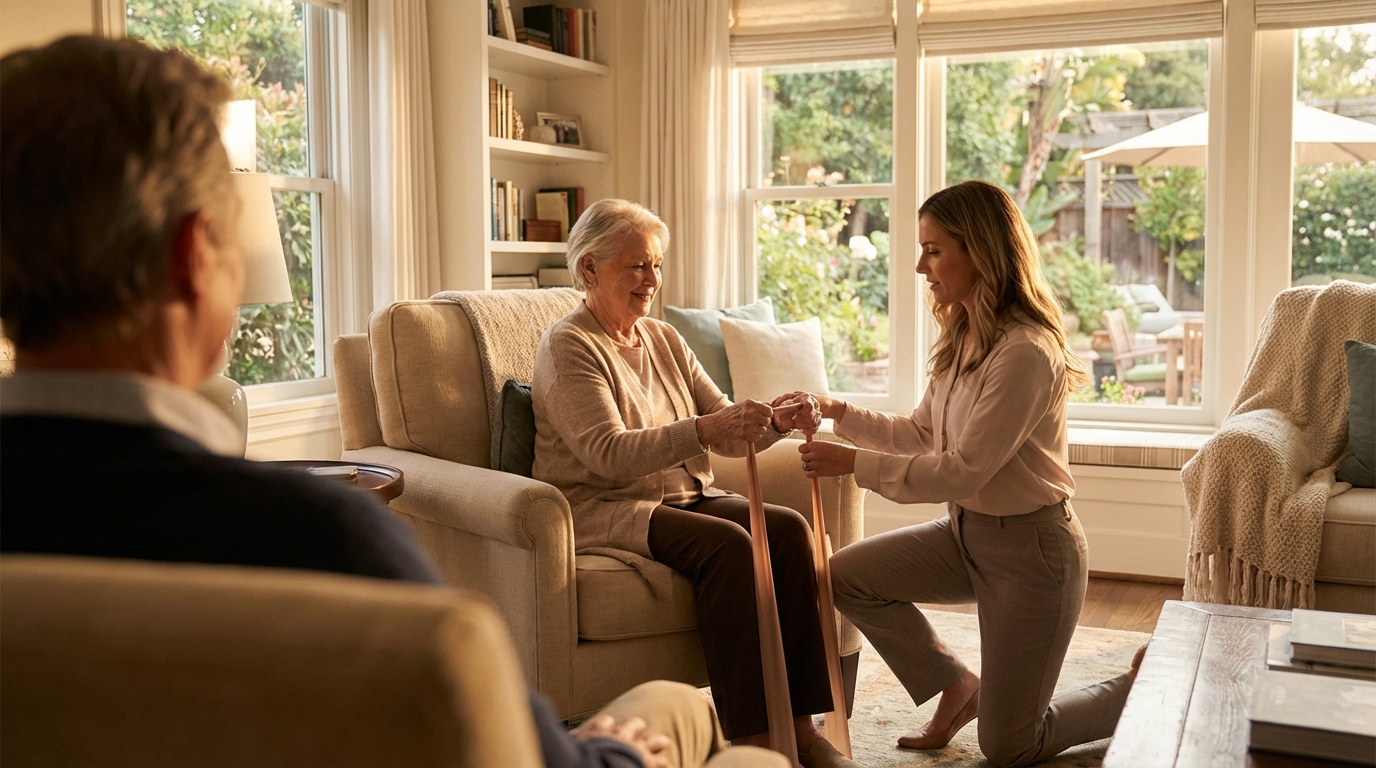
Physical Therapy & Rehab in California Care Homes
Discover the benefits of physical therapy and rehabilitation services offered in California care homes. Learn how these services enhance residents' well-being and recovery.
As our loved ones age, maintaining their independence and quality of life becomes a top priority. Sometimes, a fall, an illness, or a surgical procedure can significantly impact their physical abilities. This is where residential care homes offering robust physical therapy and rehabilitation services can make a profound difference, providing the specialized support needed to regain strength, mobility, and confidence.
Understanding Physical Therapy in Care Homes
Physical therapy (PT) is a healthcare profession focused on restoring movement and function to individuals affected by injury, illness, or disability. In a residential care home setting, PT services are tailored to the unique needs of older adults, aiming to improve their independence, reduce pain, and prevent further decline. It's not just about recovering from an acute event; it's also about optimizing their overall physical well-being.
Who Benefits from Care Home PT?
Many residents can benefit significantly from physical therapy within a care home. These include, but are not limited to:
- Individuals recovering from a stroke or neurological conditions.
- Those rehabilitating after orthopedic surgeries (e.g., hip or knee replacement).
- Seniors experiencing balance issues and a high risk of falls.
- Residents with chronic pain conditions like arthritis.
- Anyone experiencing a general decline in strength, mobility, or endurance.
- Individuals needing assistance with activities of daily living (ADLs) due to physical limitations.
The Goals of Care Home Physical Therapy
The primary goals of physical therapy in a residential care setting are holistic and person-centered. Therapists work closely with residents, their families, and other care staff to achieve specific, measurable outcomes. Common goals include:
- Restoring Mobility: Improving range of motion, flexibility, and the ability to move independently.
- Increasing Strength: Building muscle mass and power to support daily activities.
- Enhancing Balance: Reducing the risk of falls through targeted balance exercises and gait training.
- Managing Pain: Utilizing various techniques to alleviate chronic or acute pain.
- Improving Functional Independence: Helping residents perform ADLs such as dressing, bathing, and eating with greater ease.
- Preventing Further Decline: Developing personalized exercise programs to maintain gains and slow the progression of chronic conditions.
Types of Rehabilitation Services Offered
While physical therapy is a key component, comprehensive rehabilitation in a care home often includes other specialized services that work together to provide complete support for a resident's recovery and well-being.
Occupational Therapy (OT)
Occupational therapy focuses on helping individuals perform daily tasks and activities that are meaningful to them. While physical therapy focuses on body mechanics, OT addresses the practical application of those mechanics in everyday life.
- Activities of Daily Living (ADLs) Training: Helping residents practice self-care tasks like dressing, grooming, bathing, and eating.
- Adaptive Equipment Training: Teaching residents how to use assistive devices such as grabbers, dressing aids, or specialized cutlery to maintain independence.
- Home Modification Recommendations: Suggesting adjustments to a resident's personal space within the care home to enhance safety and accessibility.
- Cognitive Rehabilitation: For residents with cognitive impairments, OT can help with memory, problem-solving, and organizational skills related to daily routines.
Speech-Language Pathology (SLP)
Speech-language pathologists address communication and swallowing disorders. These services are vital for many seniors, especially those who have experienced a stroke or have conditions like Parkinson's disease or dementia.
- Communication Therapy: Helping residents improve their ability to speak, understand, read, and write.
- Swallowing Therapy (Dysphagia Management): Assessing and treating swallowing difficulties to prevent aspiration and improve nutritional intake.
- Cognitive-Communication Therapy: Addressing cognitive difficulties that impact communication, such as memory, attention, and executive functions.
Insightful Tip: When evaluating care homes, inquire specifically about the qualifications and availability of their rehabilitation staff. A dedicated team of in-house or regularly visiting therapists ensures consistent and accessible care tailored to your loved one's evolving needs.
Benefits of On-Site or Coordinated Rehabilitation
Having rehabilitation services readily available within, or closely coordinated by, a residential care home offers numerous advantages for residents and their families.
Convenience and Continuity of Care
Eliminating the need for frequent travel to external clinics reduces stress and fatigue for the resident and simplifies logistics for family members. On-site therapists are also an integral part of the care team, allowing for seamless communication and a more holistic approach to the resident's care plan. They can easily consult with nurses, caregivers, and primary physicians, ensuring that rehabilitation goals align with overall health objectives.
Personalized and Integrated Approach
Care home therapists have a unique opportunity to observe residents in their daily living environment. This allows them to tailor exercises and interventions directly to the specific challenges a resident faces within their own space, whether it's navigating the bathroom, walking to the dining area, or participating in social activities. The therapy becomes highly functional and relevant to their everyday life.
Enhanced Safety and Fall Prevention
Falls are a leading cause of injury among older adults. Rehabilitation services in care homes place a strong emphasis on fall prevention. Therapists conduct thorough assessments, identify risk factors, and implement targeted interventions like balance training, gait stabilization, and strength building. They can also recommend environmental modifications within the care home to create a safer living space.
Choosing a Care Home with Excellent Rehab Services
Selecting the right care home is a critical decision, and the quality of their rehabilitation services should be a significant factor in your choice. Here’s what to look for:
- Qualified Staff: Ensure the care home employs or contracts with licensed physical therapists (PTs), occupational therapists (OTs), and speech-language pathologists (SLPs). Inquire about their experience with geriatric care.
- Comprehensive Assessment: A good care home will conduct a thorough initial assessment to understand your loved one's needs and develop a personalized care plan that integrates rehabilitation goals.
- Treatment Plans: Ask how individualized treatment plans are developed, updated, and communicated to both the resident and their family.
- Equipment and Facilities: Do they have appropriate equipment for rehabilitation (e.g., parallel bars, exercise bikes, weights)? Is there dedicated space for therapy sessions?
- Interdisciplinary Approach: Look for a care home where therapists regularly collaborate with doctors, nurses, and caregivers to ensure a cohesive and well-rounded care plan.
- Family Involvement: A strong program will encourage family participation, providing education and updates on progress.
- Outcomes and Progress Tracking: How do they measure progress? Are goals regularly reviewed and adjusted?
Next Steps for Your Family
Researching care options can feel overwhelming, but focusing on key services like rehabilitation can help narrow your search. Begin by identifying your loved one's specific needs and discussing them with their current healthcare providers. When you tour potential care homes through CareHomeSearch, be proactive in asking detailed questions about their physical therapy and rehabilitation programs. Don't hesitate to request to meet the therapy team or observe a therapy session if possible. Remember, finding a care home that prioritizes rehabilitation can significantly contribute to your loved one's long-term health, happiness, and independence.
Published by CareHomeSearch Team on February 1, 2026