Small vs. Large Care Homes: Which is Right for Your Loved One?
Discover the benefits of smaller residential care homes compared to large facilities in California, and find the perfect fit for your family.
When the time comes to consider assisted living options for a beloved family member, the choices can feel overwhelming. One of the most significant decisions often revolves around the size of the care environment: a large, institutional facility or a smaller, more intimate residential care home. Understanding the distinct advantages each offers is crucial to finding the perfect fit for your loved one's unique needs and preferences.
The Intimacy of Smaller Residential Care Homes
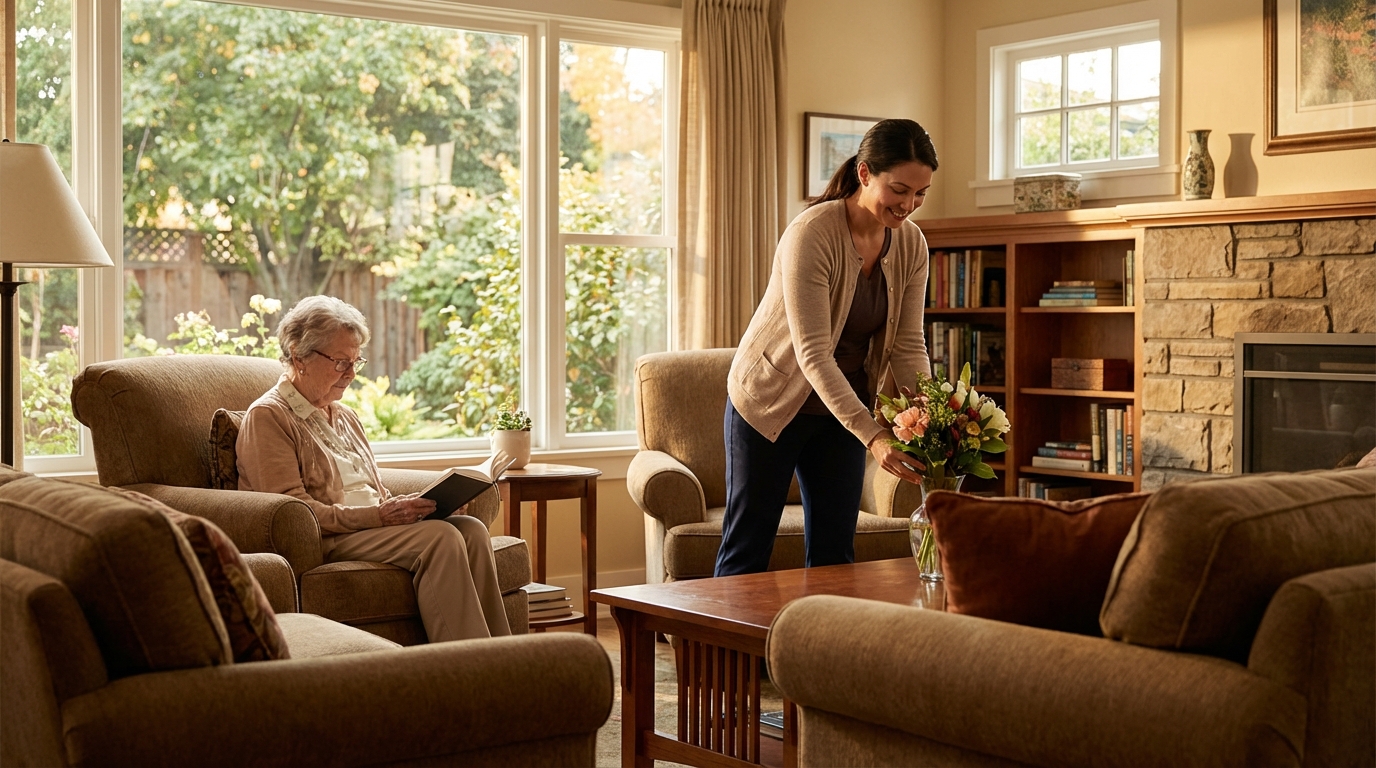
Smaller residential care homes, often referred to as board and care homes or assisted living homes, are typically located in converted private residences within residential neighborhoods. These homes usually care for a smaller number of residents, often 6 to 16 individuals, fostering a much more intimate and family-like atmosphere. This scale profoundly impacts the level and type of care residents receive.
Personalized Care and Attention
In a smaller setting, caregivers have the opportunity to truly get to know each resident as an individual. This includes understanding their personal history, daily routines, preferences, quirks, and specific care needs. The higher staff-to-resident ratio often found in these homes means more immediate attention and a greater ability to adapt care plans as needs evolve.
- Individualized Routine: Residents often have more flexibility in their daily schedules, from meal times to activity participation.
- Consistent Caregivers: Familiar faces provide comfort and build trust, leading to more responsive and effective care.
- Proactive Health Monitoring: Caregivers can more easily notice subtle changes in a resident's health or mood, leading to quicker interventions.
A True "Home Away From Home" Environment
The physical environment of a residential care home significantly contributes to a sense of normalcy and comfort. These homes are designed to feel like a traditional house, complete with common living areas, dining rooms, and often a garden. This can be especially beneficial for seniors who may feel overwhelmed or disoriented in larger, more institutional settings.
The smaller resident community also means fewer distractions and a quieter atmosphere, which can be particularly advantageous for individuals with cognitive impairments like dementia, who thrive in predictable and serene environments.
The Advantages of Larger Assisted Living Facilities
Larger assisted living facilities, often purpose-built communities, can house dozens to hundreds of residents. These facilities typically offer a wider array of amenities and structured programs, appealing to those who thrive in a more bustling environment with diverse options.
Extensive Amenities and Activities
One of the primary draws of larger facilities is the extensive range of amenities and activities they can offer due to their scale. These might include fitness centers, beauty salons, movie theaters, multiple dining venues, and a robust calendar of planned excursions and social events.
- Diverse Social Opportunities: A larger resident population means more opportunities to meet people with varied backgrounds and interests.
- Specialized Programs: Often include dedicated memory care units with specialized programming and secure environments.
- On-Site Services: Many larger facilities offer on-site physician visits, therapy services, and transportation for appointments.
Higher Levels of Staff and Infrastructure
Larger facilities often have more extensive staffing levels, including dedicated activity coordinators, chefs, and maintenance teams, in addition to care staff. This infrastructure can provide a sense of security and access to a broader range of professional support.
Insightful Tip: While larger facilities may have more staff members overall, it's crucial to inquire about the staff-to-resident ratio specifically for direct care during peak hours. This can vary significantly and directly impact the level of personal attention your loved one receives.
Comparing Key Aspects: Personalized vs. Programmed
Let's delve into some direct comparisons between these two types of care settings to better understand their fundamental differences.
Socialization and Community
- Smaller Homes: Socialization often occurs organically around shared meals, in living rooms, or during small group activities. Relationships tend to be deeper and more familial. Residents often build strong bonds with both caregivers and fellow residents.
- Larger Facilities: Offer a wider variety of social events and structured activities. Residents have more options for engagement, but the community can feel less intimate. Some residents may find it easier to find peers with similar interests from a larger group.
Cost Considerations
The cost of senior care is a significant factor for most families. While generalizations are difficult as prices vary widely by location, services, and amenities, there are some common trends:
- Smaller Care Homes: Often present a more affordable option on a basic level. Prices can be more inclusive, covering most care needs without extensive add-on fees.
- Larger Facilities: Can have a broader range of pricing tiers, from more economical independent living to very high-cost memory care. They often operate on an "a la carte" system where specific services (e.g., medication management, laundry, transportation) are added to a base rate, which can accumulate.
It's vital to get a comprehensive breakdown of all fees associated with both types of facilities you are considering. Ask for a list of what's included and what constitutes an additional charge.
Making the Right Choice for Your Loved One
The "best" option isn't universal; it's deeply personal. What works wonderfully for one senior might be completely unsuitable for another. Consider the following factors when making your decision:
- Personality and Social Style: Is your loved one introverted or extroverted? Do they prefer quiet intimacy or bustling activity?
- Care Needs: What is their current level of physical and cognitive need? How likely are these needs to progress?
- Desired Lifestyle: Do they value a structured daily routine or more spontaneity? Do they enjoy participating in large group activities or prefer quiet hobbies?
- Financial Considerations: What is the family's budget for long-term care?
- Location and Proximity: How important is it to be close to family and friends?
- Comfort Level: Does the environment feel welcoming, safe, and genuinely like home to your loved one?
Ultimately, the goal is to find a place where your loved one can thrive, maintain dignity, and receive compassionate care. Both small residential care homes and large assisted living facilities offer unique strengths. By carefully weighing these factors and visiting multiple options, you can confidently choose the setting that best supports your loved one's well-being.
Actionable Next Steps for Your Search
As you navigate this important decision, here are some practical steps you can take:
- Create a Needs Assessment: Document your loved one's care requirements, personality traits, preferences, and non-negotiables.
- Research Local Options: Utilize resources like CareHomeSearch to find residential care homes and assisted living facilities in your desired area.
- Schedule Visits: It's crucial to visit multiple locations. Pay attention to the atmosphere, cleanliness, resident-staff interactions, and the general feeling you get.
- Ask Detailed Questions: Don't hesitate to inquire about staff-to-resident ratios, care plans, activity schedules, meal options, emergency procedures, and all fees.
- Talk to Current Residents and Families: If possible, engage with current residents and their families to get their honest perspectives on life at the facility.
- Trust Your Gut: Ultimately, personal comfort and a sense of belonging for your loved one should be paramount.
Finding the right care environment is a journey, and we at CareHomeSearch are here to provide the resources and guidance you need every step of the way.
Published by CareHomeSearch Team on February 3, 2026