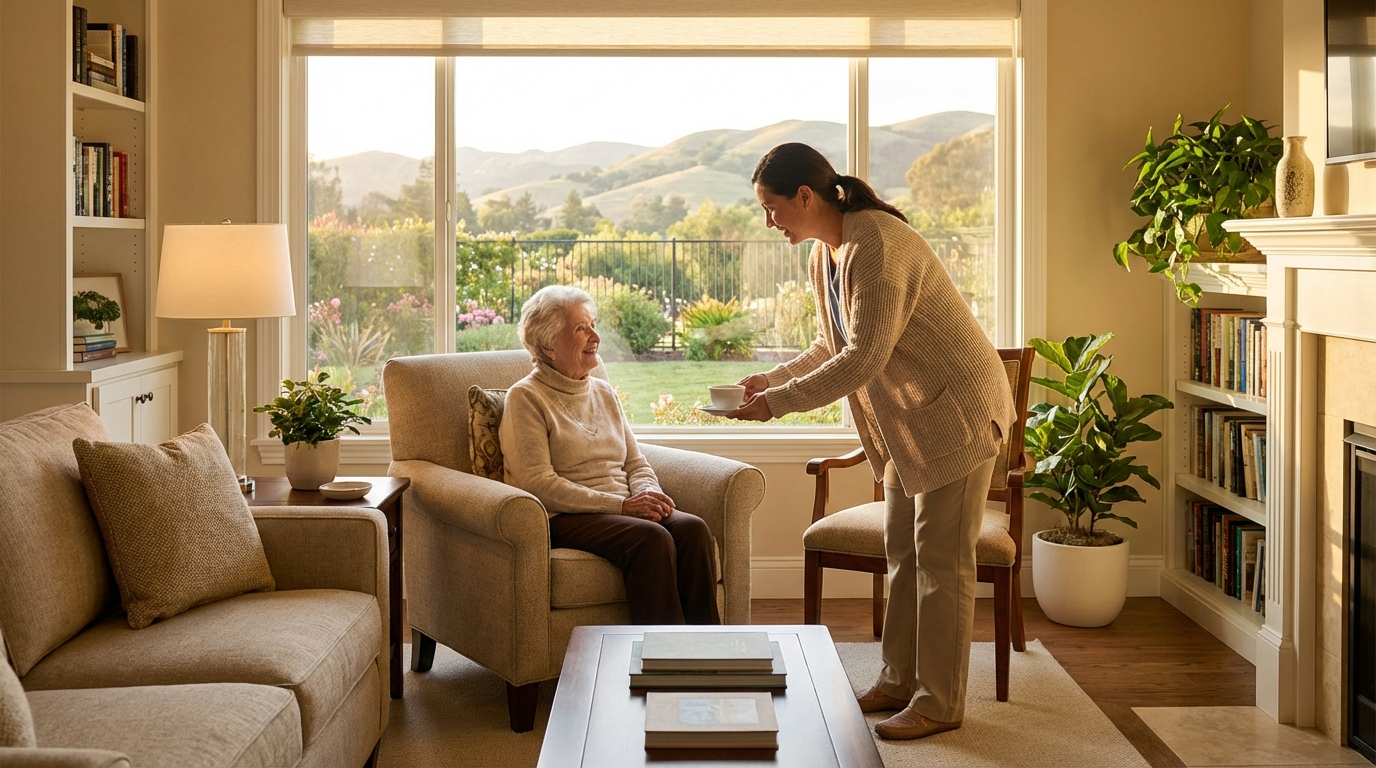
Hospital to Care Home: A California Guide
Smoothly transition from hospital to a California care home with our expert guide. Find tips, resources, and local support for a stress-free move.
The journey from hospital discharge to a new care home can feel overwhelming for families and their loved ones. Navigating medical needs, administrative hurdles, and emotional adjustments requires careful planning and a compassionate approach. This guide is designed to help smooth this transition, ensuring your loved one receives the best possible care during a vulnerable time.
Understanding the Need for a Care Home After Hospitalization
Often, hospitalization reveals underlying health issues or significantly impacts a loved one's ability to live independently. While the goal is always recovery, sometimes a return home isn't immediately feasible or safe. This is where a residential care home can provide the necessary support, skilled nursing, and round-the-clock care that a hospital no longer offers but a private home cannot yet manage.
Common Reasons for Care Home Placement Post-Hospitalization
- Significant Decline in Mobility: A fall or surgery may leave a person unable to transfer, walk, or manage personal care independently.
- Complex Medical Needs: Conditions requiring ongoing wound care, medication management, or monitoring that family members may not be equipped to handle.
- Cognitive Impairment: A new diagnosis of dementia or a worsening of existing cognitive issues can make independent living unsafe, especially after the disorientation of a hospital stay.
- Lack of Adequate Home Support: Even with some recovery, a loved one might need more assistance than family or existing home care services can provide.
- Rehabilitation Needs: While some hospitals have dedicated rehab units, a care home with therapy services can offer a less acute, more long-term rehabilitative environment.
Types of Care Homes to Consider
Depending on your loved one's specific needs, different types of care homes might be appropriate:
- Assisted Living Facilities: Offer help with daily activities like bathing, dressing, and medication management, while promoting independence. Suitable for those needing support but not extensive medical care.
- Residential Care Homes (Board and Care): Smaller, family-like settings offering personalized care, often specializing in dementia or specific conditions. Highly attentive staff-to-resident ratios.
- Skilled Nursing Facilities (SNFs): Provide 24/7 medical care, rehabilitation services (physical, occupational, speech therapy), and assistance with all activities of daily living. Often used for short-term recovery or long-term complex medical needs.
- Memory Care Units: Specialized environments designed for individuals with Alzheimer's disease or other forms of dementia, offering secure settings, specialized activities, and trained staff.
The Discharge Planning Process: Your Advocate's Role
Discharge planning begins almost immediately upon hospital admission. It's a critical process where the healthcare team assesses your loved one's needs and plans for their next steps. As a family member, your active participation is invaluable.
Working with the Hospital Discharge Team
The hospital's discharge planner or social worker is your primary point of contact. They are experts in navigating the post-hospital care landscape and can guide you through options. Don't hesitate to ask questions and express your concerns.
- Be Present at Rounds: Attend medical rounds if possible, or speak with the doctor regularly to understand your loved one's prognosis, limitations, and ongoing medical needs.
- Communicate Openly: Share information about your loved one's pre-hospital abilities, preferences, and your family's capacity to provide care.
- Ask for an Assessment: Request a comprehensive functional assessment to understand their current needs for assistance with daily activities (ADLs) and instrumental activities of daily living (IADLs).
- Discuss All Options: Explore all post-discharge possibilities, not just the ones initially presented.
- Get Referrals: Ask for a list of recommended care homes that meet your loved one's medical and personal needs, considering location and budget.
Critical Tip: Request a copy of your loved one's complete medical records, including discharge summaries, medication lists, and care instructions, BEFORE they leave the hospital. This documentation is essential for continuity of care.
Finding the Right Care Home with CareHomeSearch
Once you have an understanding of your loved one's needs, the search for the right care home begins. This is where CareHomeSearch.com becomes an indispensable resource, especially for families in California.
Utilizing CareHomeSearch.com Effectively
- Filter by Location: Start by entering your desired city or county in California to find homes nearby. Proximity to family and familiar doctors can be a significant comfort.
- Specify Care Needs: Use our filters to narrow down options based on specific care levels (e.g., Assisted Living, Memory Care, Skilled Nursing) or specializations (e.g., Parkinson's care, diabetes management).
- Review Profiles Thoroughly: Each care home profile on CareHomeSearch.com provides detailed information, including services offered, amenities, staff-to-resident ratios, and often photos. Pay attention to facilities that align with your loved one's personality and preferences.
- Read Reviews: Family testimonials can offer valuable insights into the daily life and quality of care at a facility.
- Contact Directly: Once you've shortlisted a few options, use the contact information provided to schedule tours and ask specific questions.
Key Questions to Ask During Your Search
- What is the staff-to-resident ratio, especially during nights and weekends?
- How are medical emergencies handled? Is there a doctor or nurse on call?
- What services are included in the basic fee, and what are the additional costs?
- Can they accommodate my loved one's specific dietary needs or restrictions?
- What activities and social programs are offered?
- What is their policy on family visits?
- How do they handle medication management and administration?
- What is their protocol for communicating with families about changes in condition?
The Transition Day and Beyond
The day of transition can be emotional. Prepare as much as possible beforehand to make it smoother for everyone involved.
Making the Move Smoothly
- Pack Essentials: Bring familiar items like photos, a favorite blanket, comfortable clothes, and toiletries to help create a sense of normalcy in the new environment.
- Review Medications: Ensure the care home has a complete and accurate list of all medications, dosages, and administration instructions. Bring a supply if possible.
- Introduce Your Loved One: Help introduce your family member to the staff and any new residents. A warm introduction can ease initial anxieties.
- Stay Connected: Plan regular visits and phone calls in the initial days and weeks. This consistent presence provides comfort and allows you to observe how your loved one is adjusting.
- Be Patient: Adjustment to a new environment takes time. There may be ups and downs. Offer reassurance and communicate any concerns to the care home staff promptly.
Ongoing Monitoring and Advocacy
Your role as an advocate doesn't end after the move. Continue to be involved, observe, and communicate.
- Regularly Communicate with Staff: Build a positive relationship with the caregivers and administrators. Share observations and concerns openly.
- Attend Care Conferences: Participate in scheduled meetings to discuss your loved one's progress, care plan, and any changing needs.
- Advocate for Their Needs: If something doesn't seem right, or if your loved one expresses discomfort, speak up. You are their most important advocate.
- Observe the Environment: Pay attention to the general cleanliness, resident engagement, and staff interactions during your visits.
Next Steps and Support
Transitioning a loved one from hospital to a care home is a significant undertaking, but you don't have to navigate it alone. Utilize the resources available to you.
Start your search today on CareHomeSearch.com to explore local residential care options in California that meet your loved one's unique needs. Don't hesitate to reach out to our team if you need guidance or have questions about finding the right fit. We are here to support you in providing the best possible care for your family member.
Published by CareHomeSearch Team on January 30, 2026