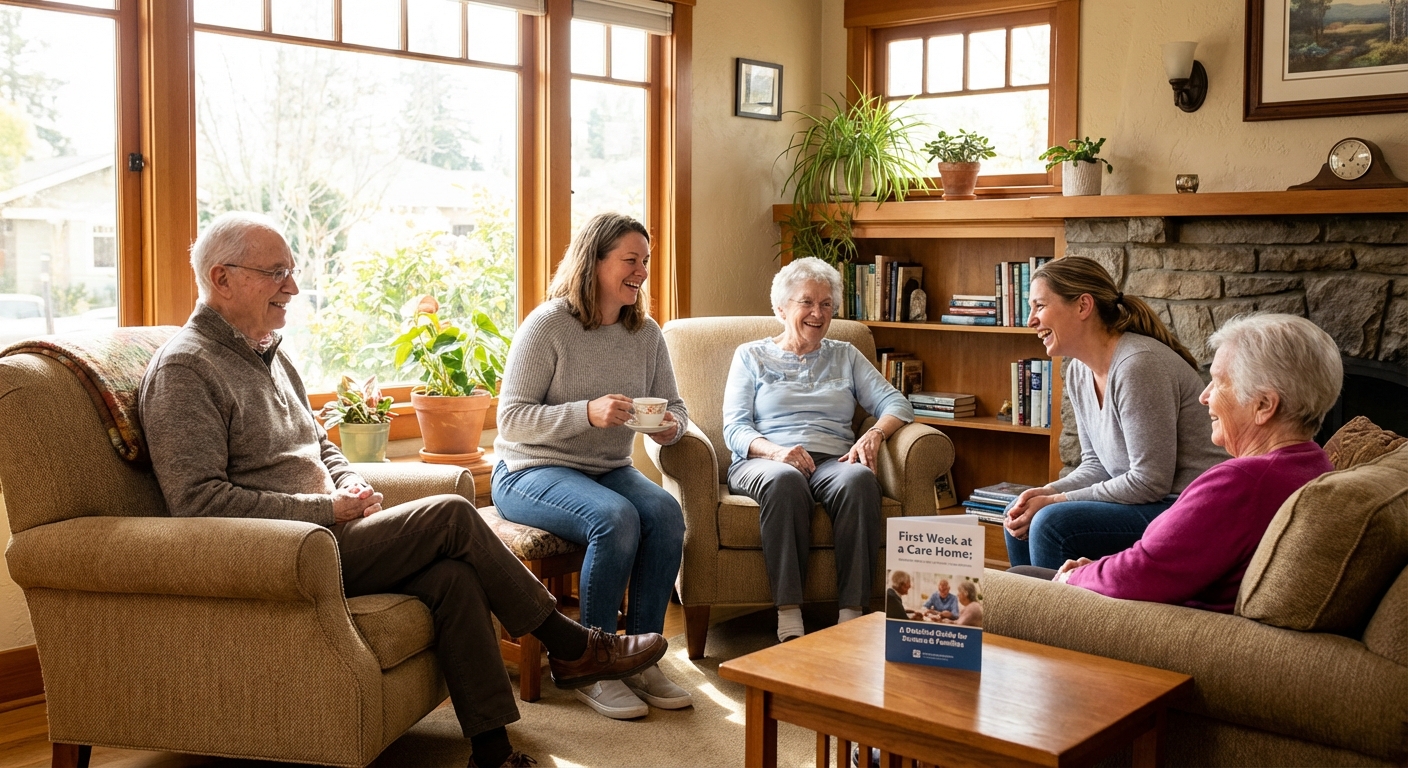
First Week at a Care Home: A Detailed Guide for Seniors & Families
Navigate the first week at a care home with confidence. This guide offers insights for seniors and families on what to expect, ensuring a smooth transition.
The decision to transition a loved one into a residential care home is often accompanied by a mix of emotions – relief, apprehension, and myriad questions. As Move-in Day approaches and passes, a new set of concerns can arise about what those initial days will truly be like. This post aims to alleviate some of that uncertainty by outlining what families and residents can generally expect during the crucial first week in a new care home environment.
The Initial Welcome and Settling In
The first few days at a new care home are all about making the resident feel welcome and helping them adjust to their new surroundings. A good care home understands the emotional weight of this transition and will have protocols in place to ensure a smooth start.
Meeting Care Staff and Introduction to Routines
Upon arrival, your loved one will likely be introduced to the primary caregivers who will be assisting them daily. This can include nurses, certified nursing assistants (CNAs), and activity coordinators. Understanding who these key individuals are can provide a sense of security for both the resident and the family.
- Personalized Welcome: Expect a warm greeting and an orientation to their room and the immediate vicinity.
- Staff Introductions: Key staff members will introduce themselves and explain their roles.
- Initial Assessment Review: While comprehensive assessments are done prior to move-in, a quick review with the immediate care team might happen to ensure everyone is on the same page regarding current needs.
Families can also expect to be walked through the daily routines, including meal times, medication schedules, and planned activities. While these are often discussed during tours and admissions, a refresher on the first day helps solidify understanding.
Personalizing the New Living Space
Making the resident's room feel like home is a vital step in easing the transition. Encourage your loved one to bring personal items that evoke comfort and familiarity.
Consider bringing items like:
- Favorite photos of family and friends
- A cherished blanket or throw
- Comfortable clothing and familiar toiletries
- Books, puzzles, or small keepsakes
- A familiar clock or calendar
These personal touches can significantly reduce feelings of displacement and promote a sense of ownership over their new space. Staff are usually very accommodating in helping arrange these items.
Monitoring Health and Well-being
The primary focus of a care home is the health and well-being of its residents. The first week is particularly important for closely monitoring how your loved one is adapting both physically and emotionally.
Medication Management and Health Assessments
One of the immediate priorities will be ensuring that all medications are correctly administered according to the prescribed schedule. Care home staff are meticulous about this process.
- Medication Review: Nurses will cross-reference all incoming medications with physician orders.
- Observation: Staff will carefully observe for any immediate side effects or changes in condition related to medication or the transition.
- Initial Vitals: Basic health checks, such as blood pressure and temperature, might be taken shortly after arrival and monitored regularly.
Don't be surprised if the care team touches base with you frequently during this first week regarding any health observations. Open communication is key.
Nutritional Adjustments and Hydration
Adjusting to new meal schedules and food options can sometimes be challenging. The care team will pay close attention to your loved one’s eating habits and hydration levels.
They will observe:
- Food Intake: How much they are eating at each meal.
- Dietary Preferences: Confirming any stated preferences or dislikes from their care plan.
- Hydration: Ensuring adequate fluid intake, especially important for seniors.
- Adaptive Equipment Needs: Identifying if any special utensils or assistance is required during meal times.
It's not uncommon for appetite to fluctuate during times of stress or change. Communicate any pre-existing dietary concerns or recent changes in appetite to the staff immediately.
Important Tip: Patience is paramount during the first week. Adaptation to a new environment, new faces, and new routines takes time. Some residents may adjust quickly, while others may experience a period of mild disorientation or withdrawal. This is a normal part of the process.
Social Integration and Activities
A vibrant social environment is a hallmark of a good residential care home. The first week will include opportunities for your loved one to begin engaging with their new community.
Introduction to Peer Group and Social Activities
Care homes are designed to foster social connections. Staff will often facilitate introductions to other residents who share similar interests or personalities.
Expect:
- Guided Socialization: Staff might gently encourage your loved one to participate in group activities or join others for meals.
- Activity Schedule Overview: The weekly activity calendar will be shared, highlighting opportunities for engagement.
- Initial Activity Participation: Even if just for a short time, participation in an activity can break the ice and help your loved one feel more connected.
Activities can range from group exercises and arts and crafts to movie nights and singing sessions. Encouraging your loved one to try a few can make a big difference in their morale.
Observation of Emotional Well-being and Mood
Beyond physical health, the care team will be keenly observing your loved one's emotional state. The transition can be overwhelming for some, leading to periods of sadness, anxiety, or even anger.
Caregivers will assess for:
- Signs of Depression or Anxiety: Changes in sleep patterns, appetite, or general demeanor.
- Social Engagement Levels: Are they participating when encouraged, or withdrawing?
- Expressions of Feelings: Are they verbally expressing discomfort, loneliness, or frustration?
Open communication with the care team about your loved one’s usual emotional state can help them identify any significant deviations.
Communication and Family Involvement
Even though your loved one is in a professional care environment, your involvement as a family remains crucial, especially during the initial adjustment period.
Establishing Communication Channels with Staff
Before or immediately after move-in, clarify the best ways to communicate with the care home staff. This ensures you receive timely updates and can address any concerns promptly.
Consider:
- Who is the primary point of contact for daily updates?
- What are the preferred methods of communication (phone, email, in-person)?
- How often can you expect updates, especially in the first week?
- Who should you contact in case of an emergency?
Maintaining a friendly and respectful relationship with the staff fosters better care for your loved one.
Family Visits and Support
Family visits can be a source of comfort for your loved one during this transitional phase, but it's also important to strike a balance.
Think about:
- Initial Visit Frequency: You might want to visit frequently at first to offer reassurance, but be mindful not to disrupt their integration.
- Quality Over Quantity: Short, positive visits can be more beneficial than long, draining ones.
- Allowing Space: Give your loved one space to form new relationships with residents and staff.
- Observing and Reporting: Use your visits to observe your loved one's adjustment and communicate any observations to the staff.
Some care homes may recommend slightly fewer visits in the very first few days to allow the resident to settle in independently, while others encourage it. Discuss this with the care home management to understand their recommendations.
Looking Ahead: Actionable Next Steps
The first week is just the beginning of a new chapter for your loved one. By staying informed and engaged, you can help ensure a positive experience.
- Maintain Open Communication: Keep the lines of communication open with the care home staff. Don't hesitate to ask questions or share concerns.
- Provide Encouragement: Continually reassure your loved one that they are in a safe and supportive environment.
- Listen and Observe: Pay close attention to their mood, behavior, and any feedback they provide about their experience.
- Be Patient: Adjustment is a process. Some days will be better than others. Celebrate small victories in their adaptation.
- Review the Care Plan: After the initial week or two, schedule a meeting with the facility to review how the care plan is being implemented and make any necessary adjustments.
- Join Care Home Activities: If appropriate and allowed, occasionally participate in activities with your loved one to show support and get a better feel for daily life at the home.
Remember, CareHomeSearch is here to support you throughout this journey. Finding the right fit is the first step, and understanding what comes next is equally important. Your loved one’s well-being is the priority, and with a supportive care home and an engaged family, this transition can lead to a fulfilling new phase of life.
Published by CareHomeSearch Team on January 19, 2026